One-Sided Friendship: What to Do When the Script Doesn’t Fix It
One Sided Friendship

The advice on one-sided friendships converges on the same format everywhere you look: name the pattern, use an I-statement, ask for more reciprocity. That conversation is worth having. What most sources do not address is what happens after you have it, when the other person agrees, apologizes, and the next several weeks look exactly like
Never Feeling Satisfied: Why the Feeling of Enough Never Arrives (and What Changes It)

Never Feeling Satisfied

The person who finally has what they worked toward, and still cannot feel settled, is not broken. Over two decades sitting with people at the end of their lives, I saw this pattern more times than I can count: the feeling of enough does not arrive the way people expect it to, and in most

Is Patience Always the Right Answer? When Waiting Is Wisdom and When It’s Avoidance

Is Patience Always The Right Answer

Patience is almost universally presented as a virtue, and it often is. What most writing on the subject skips is the question of whether what someone is practicing is actually patience, or avoidance that has borrowed patience’s name. The two look identical from the outside and feel surprisingly similar from the inside, which is what

How to Use Regret Productively Without Being Consumed by It

How To Use Regret Productively

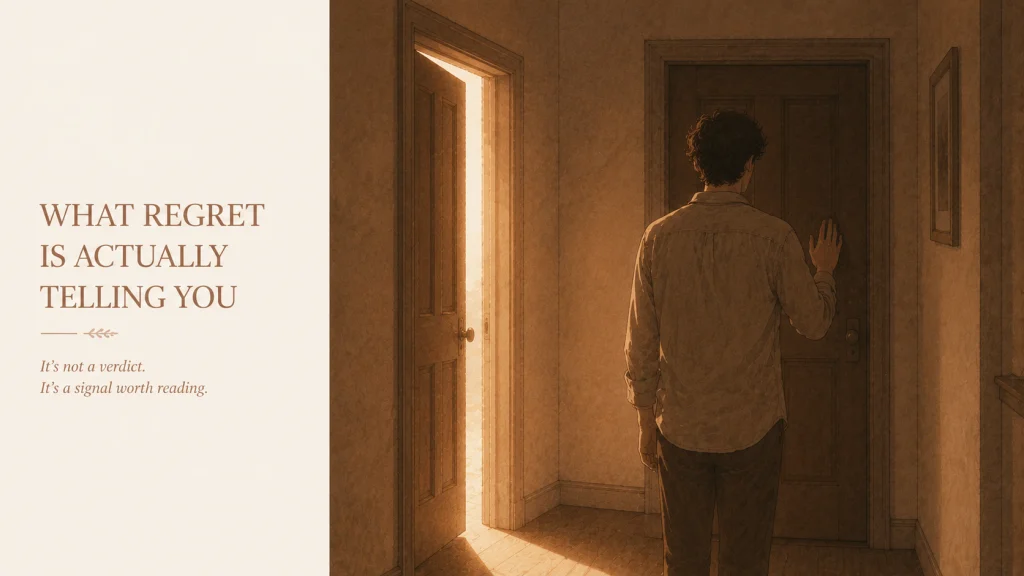
The standard advice about regret offers two options: suppress it, or let it drive you to immediate action. Neither captures what regret is actually for. Research on the subject suggests regret carries two pieces of information worth reading: a signal about what you value highly enough to feel its absence, and a cue about what

Patience With Life Circumstances: When What You’re Waiting For Is Not in Your Control

Patience With Life Circumstances

Most advice about patience is aimed at the wrong problem. It addresses frustration with people, delays, and daily inconveniences. The harder kind of patience, the kind that most people actually struggle with, is something different: the patience required when the situation you are in is not within your power to change, and the waiting is

Why Not Doing Something Hurts Longer Than Doing Something Wrong

Why Inaction Causes More Regret Than Action

The things people regret most are almost never the things they did badly. They are the things they never did at all. Research on regret has documented a consistent pattern: in the short term, a recent mistake tends to sting more than a missed opportunity. But over longer stretches of time, the pattern reverses, and

Why We Always Seem to Learn Some Lessons Too Late

Why We Always Learn Some Lessons Too Late

The feeling of having learned something too late is one of the most persistent things I encountered across two decades in hospice work. It almost never turns out to be what it appears to be on the surface. The mechanism behind it is not a failure to encounter the right wisdom early enough. It is

Patience With Other People: The Kind That Transforms Relationships

Patience With Other People

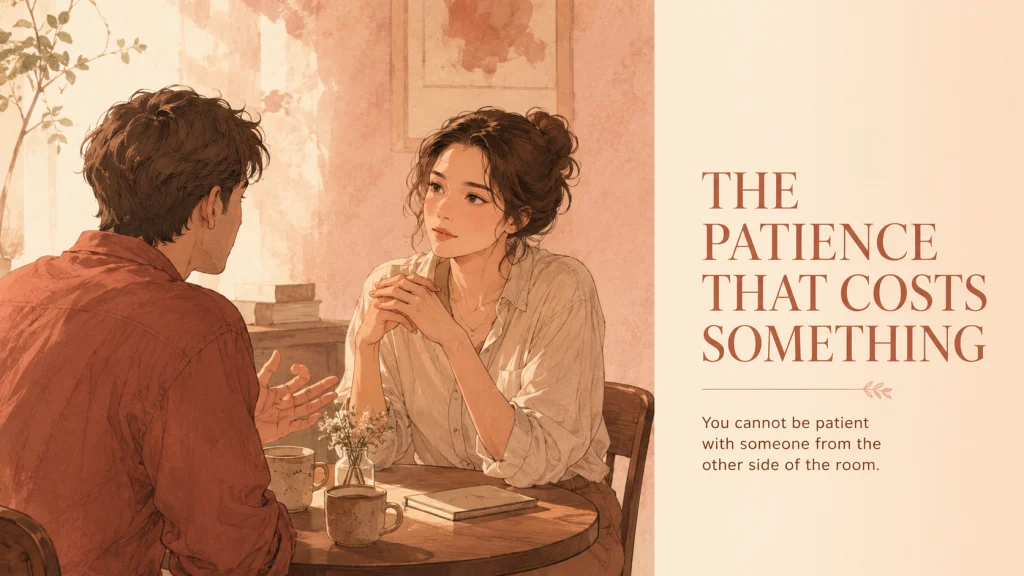
Patience with other people is one of three distinct types that researchers have identified, and it is the one with the strongest measured connection to relationship quality. It is also the hardest, not because people are more inherently frustrating than circumstances, but because this kind of patience requires something that waiting in traffic does not:

What Are the Most Common Regrets People Have? (And Why They Cluster Around the Same Things)

What Are The Most Common Regrets People Have

The most common regrets people report, whether gathered from hospice bedsides or from large-scale surveys of the general population, tend to cluster around the same few themes. Bronnie Ware documented five of them from her years in palliative care. Daniel Pink’s research across a much wider population confirmed the clustering and added one finding that

Lessons Learned Too Late: What Regret Teaches and How to Work With It

Regrets In Life Life Lessons Regret What People Regret Most

Most of what gets written about regret either turns it into a warning, live without regrets, or tells you to let it go and move on. Neither of those does much with what regret is actually telling you. This piece looks at lessons learned too late as a recognizable pattern in how people experience their

How to Be More Patient: The Science Behind the Virtue

How To Be More Patient

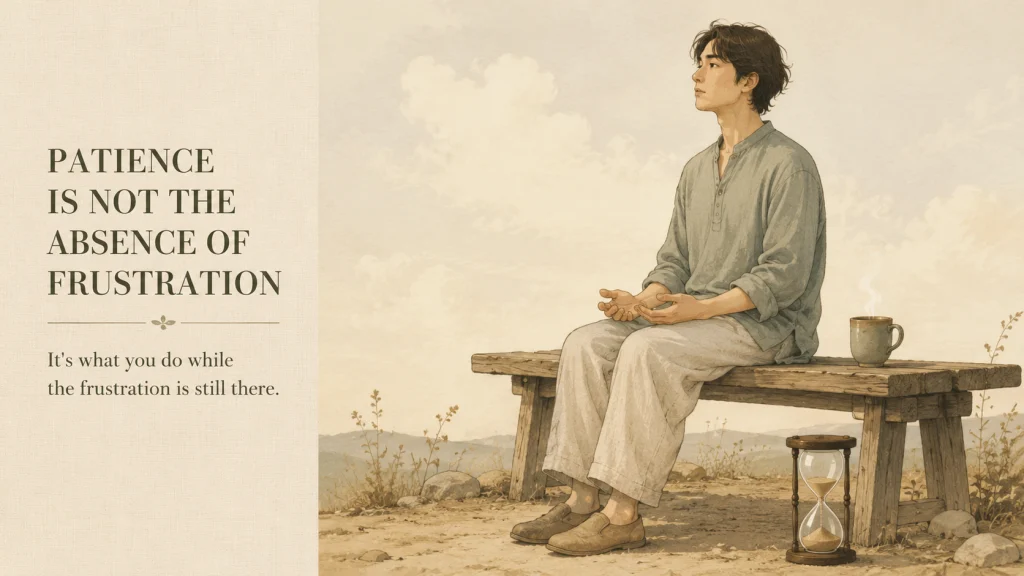
Patience is not the absence of frustration. It is the ability to stay present inside frustration without letting it make your decisions for you. Research in positive psychology has begun to confirm what most people who have actually developed patience already know: it is an active skill, not a passive state of waiting without complaint.

What the Elderly Say About Work: What It’s Actually For

Life Lessons About Work From Elderly

The question very old people come back to about work is rarely whether they succeeded at it. It is whether it was worth the time they gave it. Those two questions almost never have the same answer. What the life lessons about work from elderly people actually point to is not a set of career