Heartbreak From Being Dumped: When You Didn’t Get a Vote

Heartbreak From Being Dumped

Heartbreak from being dumped carries a specific weight that grief alone does not explain: you did not get a vote in something that reshaped your entire life. Most advice on this kind of breakup focuses on removing self-blame, which matters, but it rarely names the separate injury underneath it, the asymmetry itself, the fact that


Existential Loneliness: When the Disconnect Isn’t About People At All

Existential Loneliness

Existential loneliness is not the ache of an empty calendar or a quiet weekend alone. It is the experience of feeling fundamentally alone in a way that has little to do with how many people actually care about you. I have sat with people who had a house full of visitors and still asked me,

Why Do I Feel Lonely Even With Friends? The Difference Between Having People and Being Known

Why Do I Feel Lonely Even With Friends

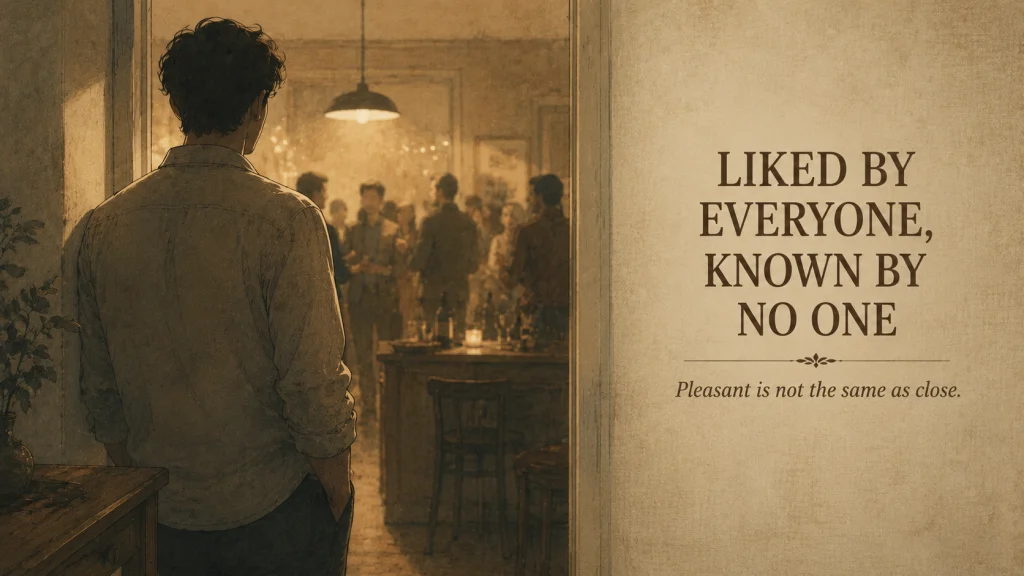
Why do I feel lonely even with friends is a contradiction that confuses people more than almost any other version of loneliness, because the obvious fix, more people, has usually already been tried. The explanation tends to come down to a distinction most coverage names and then drops: social loneliness and emotional loneliness are not

Lonely in a Relationship: When the Person Beside You Feels Far Away

Lonely In A Relationship

Lonely in a relationship is a specific kind of loneliness, the kind that shows up with someone right there beside you. It rarely arrives as a single dramatic rupture. More often it builds from an ordinary, almost invisible pattern: small things quietly judged not worth bringing up, night after night, until the distance between two

Lonely While Single: The Specific Shape of an Unwitnessed Life

Lonely While Single

Being lonely while single is rarely solved by the advice it usually gets, which tends to circle around self-acceptance and not settling out of fear. The more precise thing missing is often smaller than a relationship and easy to overlook: a daily witness for the ordinary moments too minor to bring to a friend but

Why People-Pleasing Makes You Resent the Very People You Help

Why People Pleasing Makes You Resent The People You Help

People-pleasing produces resentment toward the very people you helped, and most people find this confusing when they first notice it. The mechanism is not complicated once you see it: the person doing the accommodating pays a real cost, but that cost is never disclosed, so no one else knows a transaction occurred. The resentment that

Loneliness: Naming the Specific Kind You’re Carrying

Loneliness

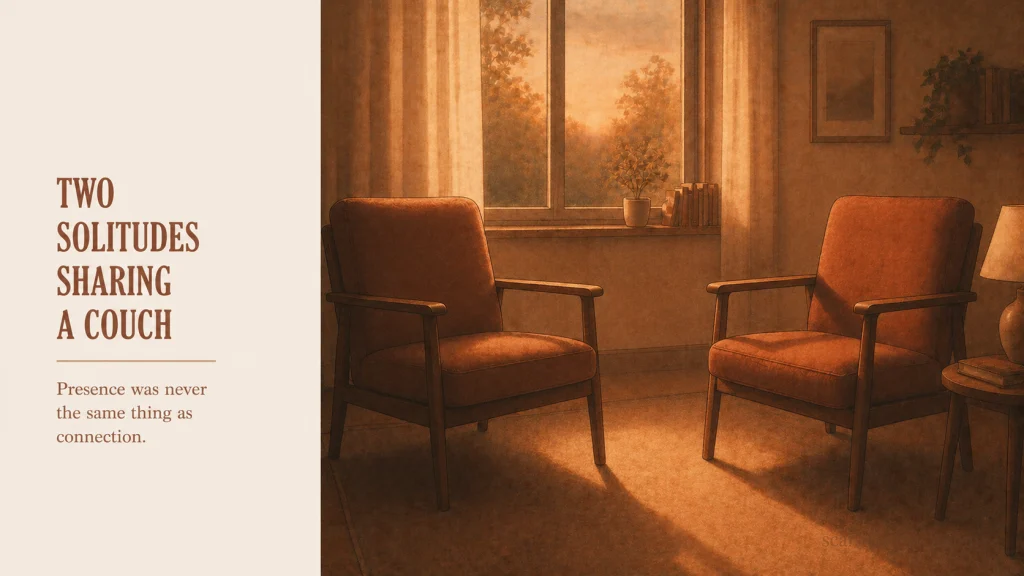
Loneliness is not one thing. The word covers a range of experiences that feel similar on the surface but come from different places and respond to different things. A person who is lonely because they moved to a new city and know almost no one is carrying something structurally different from someone who has plenty

Why People-Pleasing Doesn’t Make People Like You More

Why People Pleasing Doesnt Make People Like You More

People-pleasing tends to feel like a strategy for being liked, and in the short run, it often works. What it produces over time is something different: a pattern that others sense before they can name it, a closeness that never quite arrives, and a quiet accumulation of cost that the people-pleaser carries alone while everyone

Letting Go of Control in Relationships: Why It’s So Hard and Why It Matters

Letting Go Of Control In Relationships

Controlling behavior in relationships usually comes from the same place as control in general: an attempt to make something feel predictable enough to feel safe. The cost is not primarily that it damages the other person, though it can. The more immediate cost is that it makes genuine closeness structurally impossible. When one person is

People-Pleasing: Why You Do It, What It Costs, and How to Stop

People Pleasing

People-pleasing is a pattern most people recognize in themselves long before they understand why it keeps happening. It is not simply being nice, and it is not always rooted in trauma. It sits on a spectrum, from a conscious social choice to an automatic, driven behavior that has quietly stopped feeling like a choice at

One-Sided Friendship: What to Do When the Script Doesn’t Fix It

One Sided Friendship

The advice on one-sided friendships converges on the same format everywhere you look: name the pattern, use an I-statement, ask for more reciprocity. That conversation is worth having. What most sources do not address is what happens after you have it, when the other person agrees, apologizes, and the next several weeks look exactly like

Patience With Other People: The Kind That Transforms Relationships

Patience With Other People

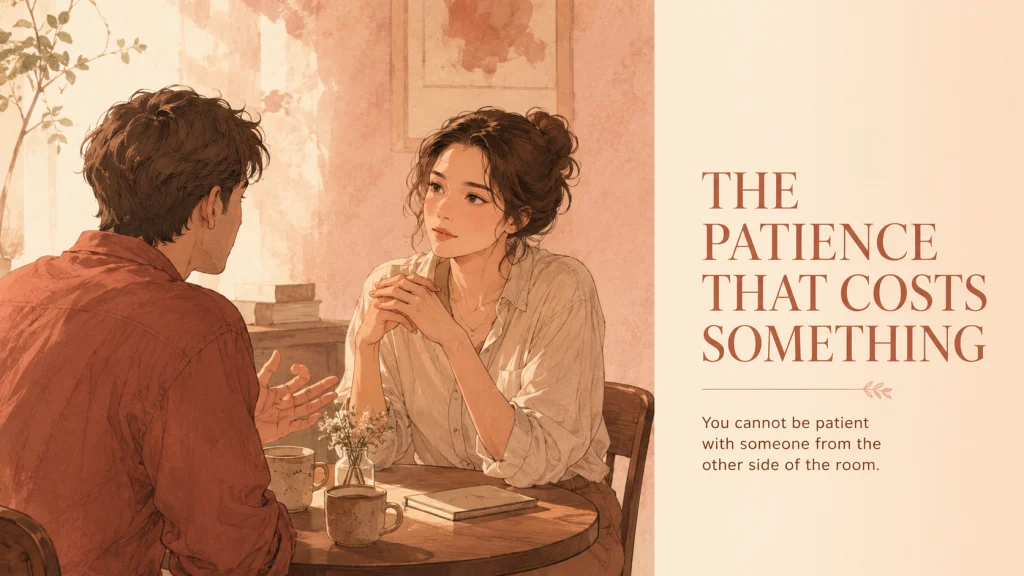
Patience with other people is one of three distinct types that researchers have identified, and it is the one with the strongest measured connection to relationship quality. It is also the hardest, not because people are more inherently frustrating than circumstances, but because this kind of patience requires something that waiting in traffic does not: