Why Comparison Makes Satisfaction Almost Impossible

Why Comparison Makes Satisfaction Impossible

Comparison with others is one of the most reliable ways to lose satisfaction you already had. The mechanism is specific: when you compare upward, you raise the invisible standard against which your own circumstances are measured, and what was previously enough quietly becomes insufficient. This is not a character flaw or a failure of gratitude.

The Illusion of Control: Why We Think We’re More in Control Than We Are

The Illusion Of Control

The illusion of control is the well-documented tendency to believe we have more influence over outcomes than we actually do. It is not a personal failing. It is a pattern that shows up reliably across populations and across a lifetime of decisions that felt more within our hands than they were. The confusing part is

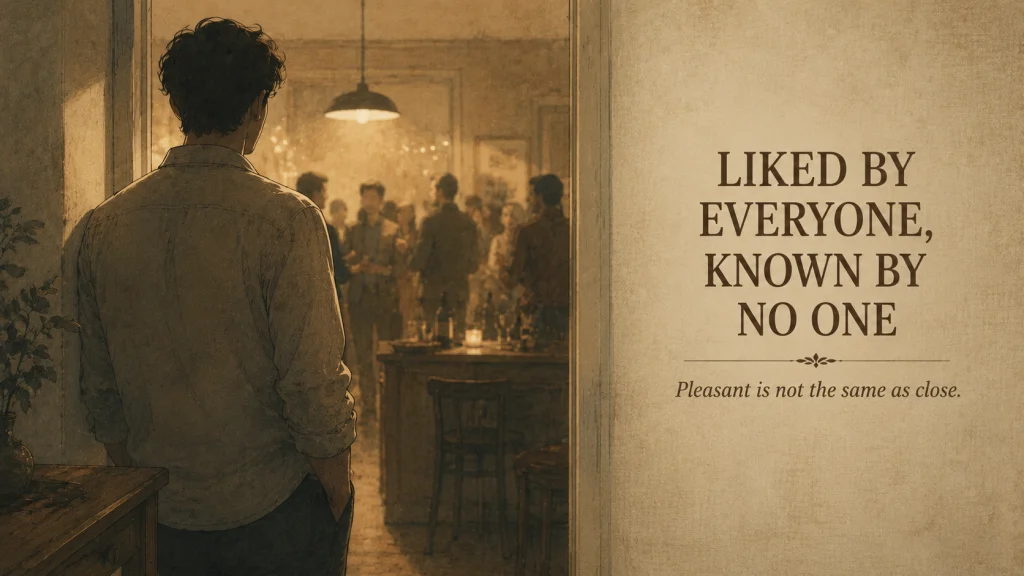
Why People-Pleasing Doesn’t Make People Like You More

Why People Pleasing Doesnt Make People Like You More

People-pleasing tends to feel like a strategy for being liked, and in the short run, it often works. What it produces over time is something different: a pattern that others sense before they can name it, a closeness that never quite arrives, and a quiet accumulation of cost that the people-pleaser carries alone while everyone

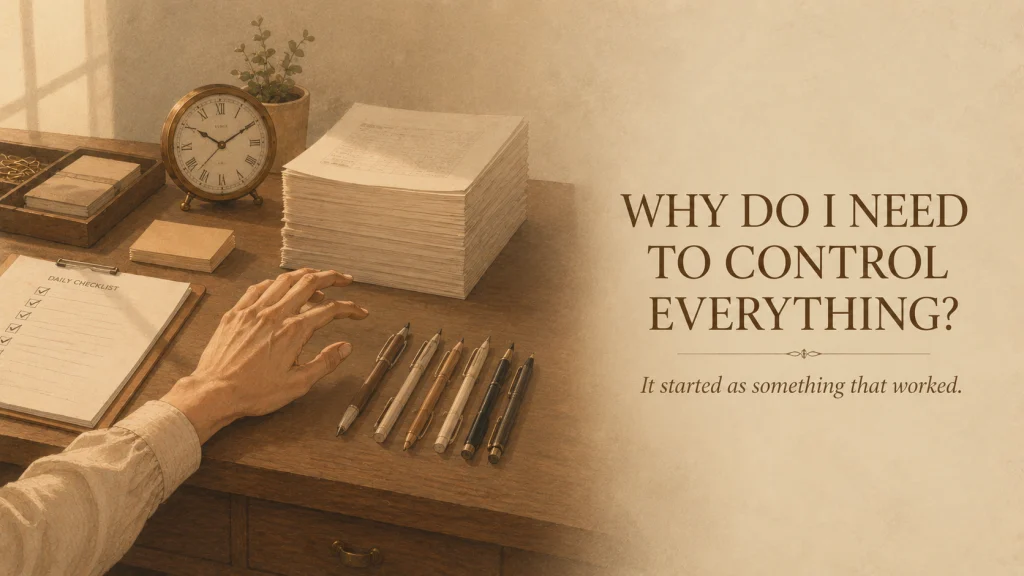
Why Do I Need to Control Everything? The Psychology Behind It

Why Do I Need To Control Everything

The need to control everything is not a character flaw. It is a strategy, one that formed for reasons, and those reasons matter more than the label. Researchers have confirmed that the drive for control is a biological baseline in human beings, not an aberration. The problem is not the drive itself. The problem is

Is Patience Always the Right Answer? When Waiting Is Wisdom and When It’s Avoidance

Is Patience Always The Right Answer

Patience is almost universally presented as a virtue, and it often is. What most writing on the subject skips is the question of whether what someone is practicing is actually patience, or avoidance that has borrowed patience’s name. The two look identical from the outside and feel surprisingly similar from the inside, which is what

How to Change Your Relationship With Money (Without Pretending the Past Didn’t Shape It)

How To Change Your Relationship With Money

Most advice on how to change your relationship with money skips a step. It moves quickly to affirmations, reframing exercises, and gratitude practices without asking what belief is actually driving the behavior in the first place. That prior step, making the unconscious belief visible and tracing it to its source, is where the real work

How Childhood Shapes Your Relationship With Money (and What to Do About It)

How Childhood Shapes Your Relationship With Money

Most adults know, in a general way, that their past has shaped them. What is harder to see is how specifically that shaping happened with money, not through conscious choices or character flaws, but through messages absorbed so early they never registered as messages at all. This piece covers how those early signals form, why

Disciplined in One Area of Life But Not Another: Why That Happens

Disciplined In One Area But Not Another

If you are highly disciplined in one part of your life and consistently struggling in another, the problem is almost certainly not your character. Discipline does not transfer automatically between domains, because the conditions that produce it in the strong area are often absent in the weaker one. What you can sometimes move from one