How to Change Your Relationship With Money (Without Pretending the Past Didn’t Shape It)
How To Change Your Relationship With Money

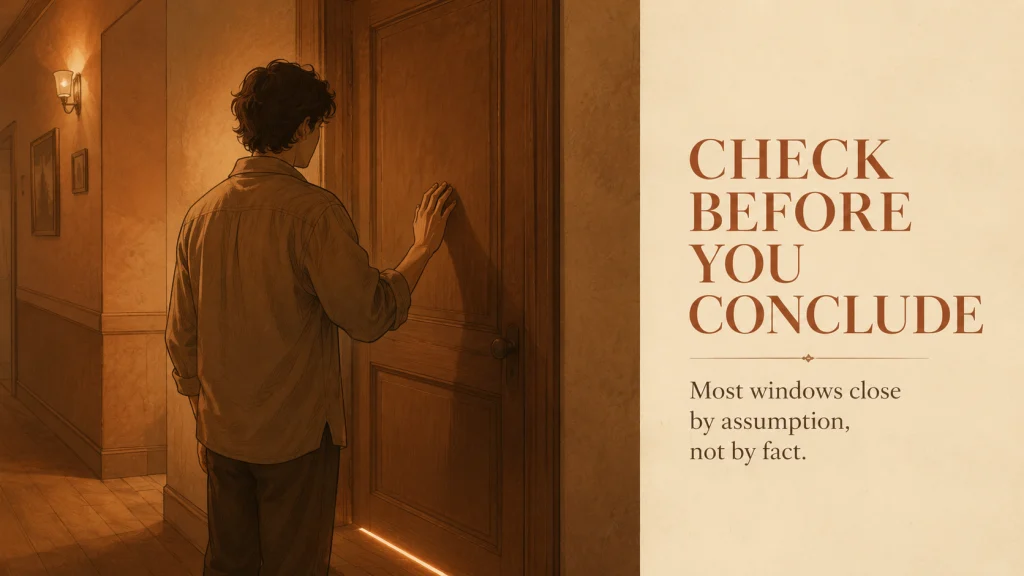
Most advice on how to change your relationship with money skips a step. It moves quickly to affirmations, reframing exercises, and gratitude practices without asking what belief is actually driving the behavior in the first place. That prior step, making the unconscious belief visible and tracing it to its source, is where the real work
Is It Too Late to Change What You Regret?

Is It Too Late To Change What You Regret

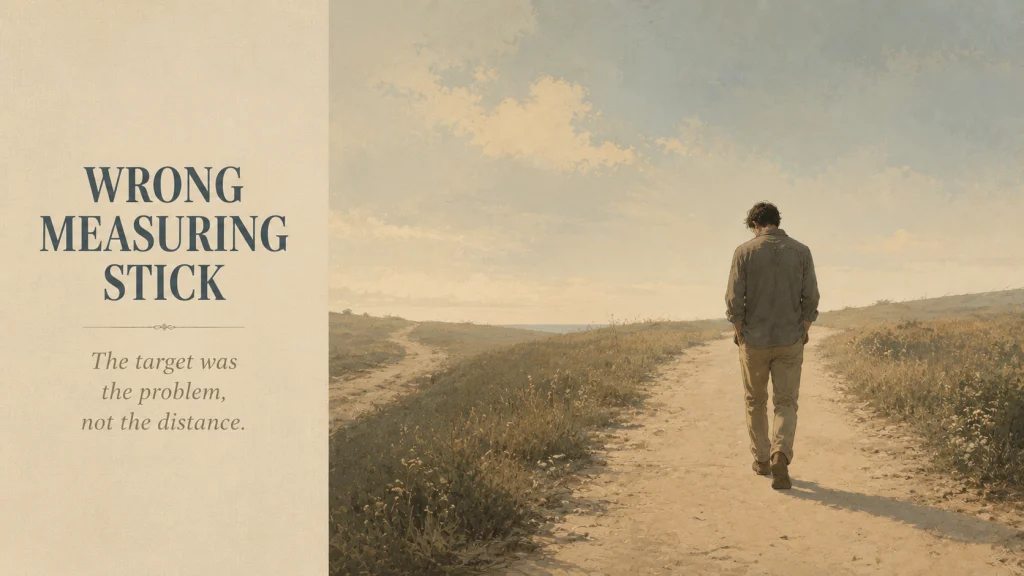
The question of whether it is too late to act on a regret is almost always asked too early. The assumption of closure (that the window has passed, that the relationship is over, that the path is gone) tends to arrive well before it has actually been tested. Sometimes the window has closed. Sometimes it

How to Stop Comparing Yourself to Others (Without Pretending the Urge Disappears)

How To Stop Comparing Yourself To Others

The instruction to stop comparing yourself to others is well-meaning and almost entirely useless, because comparison is not a habit you can break. It is a near-automatic process built into how humans evaluate themselves, and it has no off switch. What can change is not whether you compare, but what you compare to, and what

How to Stop Procrastinating: Starting Is the Whole Problem

How To Stop Procrastinating

The advice for how to stop procrastinating is well-known: break the task into smaller pieces, set a timer for fifteen minutes, remove your distractions. Most people have heard all of it. What most explanations skip is why these tactics actually work, and that matters, because once you understand the mechanism, you can apply it to

Fair-Weather Friend: The Harder Question Is Whether You’ve Ever Been One

Fair Weather Friend

A fair-weather friend is someone who shows up reliably when life is going well and disappears, just as reliably, when it stops. The pattern has been named and recognized for centuries. What most conversations about it skip is the harder question: whether you have ever been that person for someone else. Most people have. This

Joy vs Happiness: They’re Not the Same Thing

Joy Vs Happiness The Difference That Matters

Most people use joy and happiness as if they mean the same thing, but they describe something meaningfully different. Happiness tends to be circumstantial, tied to what is happening right now. Joy runs underneath that, steadier and less dependent on the day going well. The distinction matters because chasing the wrong one can leave you

How to Practice Patience: What the Research Actually Recommends

How To Practice Patience

The advice to be more patient is common. The advice on how to actually become more patient is mostly generic: breathe, count to ten, remember it will pass. Research on patience suggests those techniques are not useless, but they work for a reason most people explaining them do not bother to name. This piece draws

Does an Abundance Mindset Actually Help With Money? The Honest Answer

Does An Abundance Mindset Actually Help With Money

The abundance mindset gets recommended a lot, especially to people who feel stuck in a fearful or anxious relationship with money. The idea has real psychological backing: people who believe opportunities exist tend to be more resilient, more willing to act, and better at recovering from setbacks. But financial therapists have also identified a specific

How to Use Regret Productively Without Being Consumed by It

How To Use Regret Productively

The standard advice about regret offers two options: suppress it, or let it drive you to immediate action. Neither captures what regret is actually for. Research on the subject suggests regret carries two pieces of information worth reading: a signal about what you value highly enough to feel its absence, and a cue about what

Why Social Media Makes Comparison So Much Worse Than It Used to Be

Why Social Media Makes Comparison Worse

Social media does not just add more comparison to your life. It breaks the basic condition that makes comparison useful in the first place. I noticed that the damage people described was rarely jealousy in the ordinary sense. It was closer to being shown a finished version of a life without ever being allowed to

Why Do I Procrastinate? The Real Reason Has Nothing to Do With Time Management

Why Do I Procrastinate

The real reason you procrastinate has very little to do with time management, even though that is how almost everyone is taught to think about it. I noticed early on that the people most frustrated with their own procrastination were rarely undisciplined anywhere else in their lives. They were simply very good at avoiding one

Frenemy: Why the Friend Who Hurts You Sometimes Is Harder to Leave Than One Who Hurts You Always

Frenemy

A frenemy is not a friend who happened to hurt you. It is a specific pattern in which someone cycles between warmth and harm often enough that you can never get a clear read on them, and that cycle is precisely what makes them harder to leave than someone who is simply unkind. Research on