The Role of Luck in Success: What the Research Says (and Why Most People Deny It)

The Role Of Luck In Success

The role of luck in success is one of those subjects where the honest answer and the popular answer are rarely the same thing. Research on how success actually happens, particularly in competitive fields, is consistent: luck matters more than most successful people will tell you, and there are good psychological reasons they do not.


Forgiving Yourself vs Letting Yourself Off the Hook: They Are Not the Same Thing

Forgiving Yourself Vs Letting Yourself Off The Hook

Most people who cannot forgive themselves are not refusing because they believe they do not deserve it. They are refusing because forgiving themselves feels like the same thing as excusing what happened, and that feels like a betrayal of anyone who was harmed. This piece addresses that specific confusion directly. Self-forgiveness and excusing yourself are

How to Stop People-Pleasing Without Feeling Like a Selfish Person

How To Stop People Pleasing

The most common obstacle to stopping people-pleasing is not a lack of tactics. Most people who want to change the pattern already know they should try saying no more often. The obstacle is the guilt that arrives the moment they do. This piece looks at why that guilt is so immediate, what it actually signals,

Is Productive Procrastination Actually Productive?

Is Productive Procrastination Actually Productive

The question of whether productive procrastination actually works has a real answer, but it is not the one most productivity content gives you. Philosopher John Perry built a widely cited case that procrastinators can extract genuine value from their avoidance by deliberately stacking useful secondary tasks around a primary one they are not ready to

The Friend Who Only Reaches Out When They Need Something: Being Useful Is Not Being Loved

Friend Only Reaches Out When They Need Something

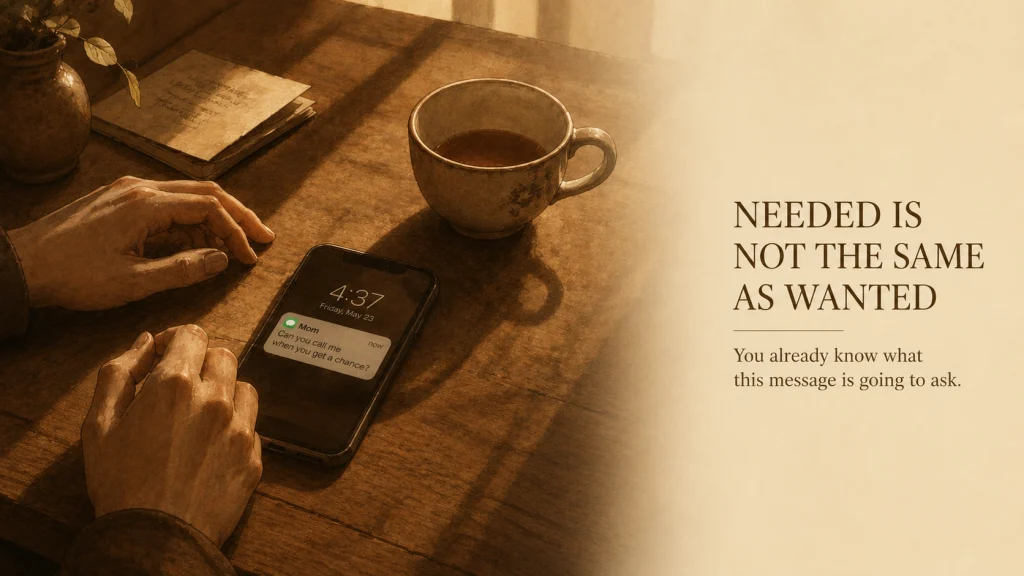
Some friendships run on a simple, invisible rule: the other person shows up when they need you and goes quiet when they do not. If you have a friend who only reaches out when they need something, the pattern is probably not new to you, even if naming it clearly is. This is not about

How to Feel More Satisfied With Your Life: What the Research Actually Shows

How To Feel More Satisfied With Your Life

v Most people trying to feel more satisfied with life are working on the wrong problem. They are focused on what they need to change, acquire, or achieve, when research suggests that circumstances account for less of lasting wellbeing than most people expect. Sonja Lyubomirsky and colleagues proposed a model identifying intentional activities, deliberate, varied

How to Stop Worrying About Things You Can’t Control

How To Stop Worrying About Things You Cant Control

Most people who want to stop worrying about things they cannot control are not trying to care less about what happens. They are trying to stop being consumed by outcomes they already know they have no hand in. Worry about genuinely uncontrollable things activates the body’s stress response without giving you anything actionable to do

Why Do Hardworking People Sometimes Fail? It’s Not Always What You Think

Why Do Hardworking People Sometimes Fail

People want one answer for why hardworking people sometimes fail, and the honest one rarely fits in a sentence. Effort matters, and it is not the whole story. Timing, who you happened to know, where you started financially, and a handful of moments that could have gone either way all play a real part in

Guilt vs Shame: The Difference That Changes Everything About How You Move Forward

Guilt Vs Shame The Difference That Matters

Guilt and shame get used as the same word by most people, and that is a mistake with real consequences. Guilt says you did something wrong. Shame says you are something wrong, and that small shift changes almost everything about whether a person can actually move forward. I have watched the distinction decide, more than

Why People-Pleasing Doesn’t Make People Like You More

Why People Pleasing Doesnt Make People Like You More

People-pleasing tends to feel like a strategy for being liked, and in the short run, it often works. What it produces over time is something different: a pattern that others sense before they can name it, a closeness that never quite arrives, and a quiet accumulation of cost that the people-pleaser carries alone while everyone

Why Do I Procrastinate on Things I Actually Want to Do?

Why Do I Procrastinate On Things I Want To Do

Procrastinating on things you actually want to do makes no logical sense, which is part of why it is so frustrating. If you wanted to do it, you would do it. But the wanting is often exactly the problem. The more you care about something, the more an attempt that goes badly threatens something real.

Feeling Left Out by Your Friend Group: When It’s a Pattern, Not a Slight

Feeling Left Out By Your Friend Group

Being left out by a friend group is not always the same problem. A single missed invite is usually accidental and often answered by a direct conversation. A sustained pattern of exclusion, weeks or months of being the last to know, of plans that did not include you, of a group chat that went quiet